
Why Are Retail Stores Closing — And What the Future Holds for the Industry
| Published on: Jul 09, 2025 | Views: 7217The retail landscape has undergone significant transformation in the past couple of years, driven by shifting consumer behavior, growing technology, and ecommerce pressures. Offline outlets are being challenged due to the rise of e-commerce, which offers convenience, competitive pricing, and a wider range of choices. There are many other factors that have affected many retailers to reevaluate their physical presence.
The future of retail depends on adaptability and innovation. Retailers are expected to merge online and in-store experiences through Omni channels plans that boost consumer engagement and loyalty. Physical stores are evolving into experimental hubs, offering modified services, interactive displays and smooth integration with digital platforms. Sustainability, data-driven insights and flexible fulfillment options such as pickup and same day delivery will also play a crucial role in shaping up the industry. However the closure of many stores marks the end of the traditional era, it also signals the beginning of a dynamic, technology-enabled future for retails.
At 99Forward, we believe this shift signals a new chapter. It is the one where agility, innovation, and consumer connection matter more than square footage
What’s Causing Retail Store Closures in 2025?
Retail sectors are gradually evolving and moving towards digital platforms. There are several reasons why physical stores are closing in 2025:
1. The Rise and Dominance of E-Commerce
Over the past couple of years, online shopping has redesigned customer expectations. Convenience, fast delivery, and the ability to compare prices and reviews in seconds have turned e-commerce into a preferred choice for many shoppers.
Global giants like Amazon, flipkart, as well as agile D2C brands, have pushed the boundaries of what online shopping can offer. Physical stores that haven't adapted to a hybrid or omnichannel model are struggling to keep up with trends.
2. Shifting Consumer Behavior and Expectations
Nowadays consumers are not just buying products they are getting experiences, convenience and value. People are enjoying their shopping experience right at their mobile devices and paying attention towards the delivery they get right at their doorstep. Offline stores are not able to fulfill these demands thus consumer behavior patterns are drastically shifting from one platform to another.
3. Economic Pressures and Rising Costs
Inflation, labor shortages, supply chain disruptions, and increased commercial rent are putting intense pressure on retailers. It’s a challenge for the brand to sustain their businesses on a big scale and manage day to day tasks effortlessly. This is not just hitting small businesses but large chains are diminishing due to focus on key markets and performance-based locations.
SEO Keywords: retail closures 2025, inflation and retail, economic impact on stores
4. Urban and Demographic Changes
Post-pandemic shifts have altered the way people live and work. The rise of remote work has affected foot traffic in urban business districts, impacting stores that once relied on 9-to-5 workers.
In parallel, younger consumers prefer brands that are digital-first and socially conscious.
SEO Keywords: remote work impact on retail, Gen Z shopping habits, urban retail trends
Retail Isn’t dead—It’s Just Different
Store closure is often due to the outdated business models and strategies. But this doesn’t mean physical retail stores have no future. It means the future seems to be different, dynamic, integrated, modified and customer centric.
Here’s how successful retailers are adapting.
Strategies for Thriving in the New Retail Era
1. Adopt an Omnichannel Mindset
Modern customers shop across multiple channels such as mobile apps, websites, social media, and stores. A disconnected experience leads to frustration.
Retailers should integrate systems that allow:
- Real-time inventory visibility
- Buy online, pick up in store (BOPIS)
- Hassle-free returns across channels
- Personalized digital outreach based on in-store behavior
2. Create Experiential and Destination-Based Retail
People still want to shop in stores—but only if it’s worth the trip. Leading brands are turning their locations into immersive spaces:
- Product demos and workshops
- Community events or brand activations
- Interactive tech like AR/VR for trying products
Experiential retail fosters emotional connection and brand loyalty.
3. Focus on Local and Community Engagement
Most of the time brands should concentrate on local and nearby audiences. They are the one that will help your brand to build thrust, communities and connect with local artisans and local influencers which can drive traffic and build credibility.
4. Prioritize Sustainability and Ethical Practices
More than ever, shoppers want to know the story behind what they buy. Retailers that commit to eco-friendly packaging, ethical labor, and transparent sourcing are standing out.
Even better: display these values in-store and online—consistency is key.
The 99Forward Take: Future-Proofing Retail with Purpose
At 99Forward, we can see the future of the retails industry turning into a better version of retail marketing. The brands that will flourish are those who
- Embrace change and experiment with new formats
- Invest in technology and human-centered design
- Build trust and emotional connection with their audience
Reinvention is the New Retail Strategy
The retail industry is transforming to meet the demands of a new era.
For brands willing to adapt, evolve, and listen to their customers, this is a time of incredible opportunity.
At 99Forward, we’re here to support and guide businesses ready to move forward.
Related Blogs
-
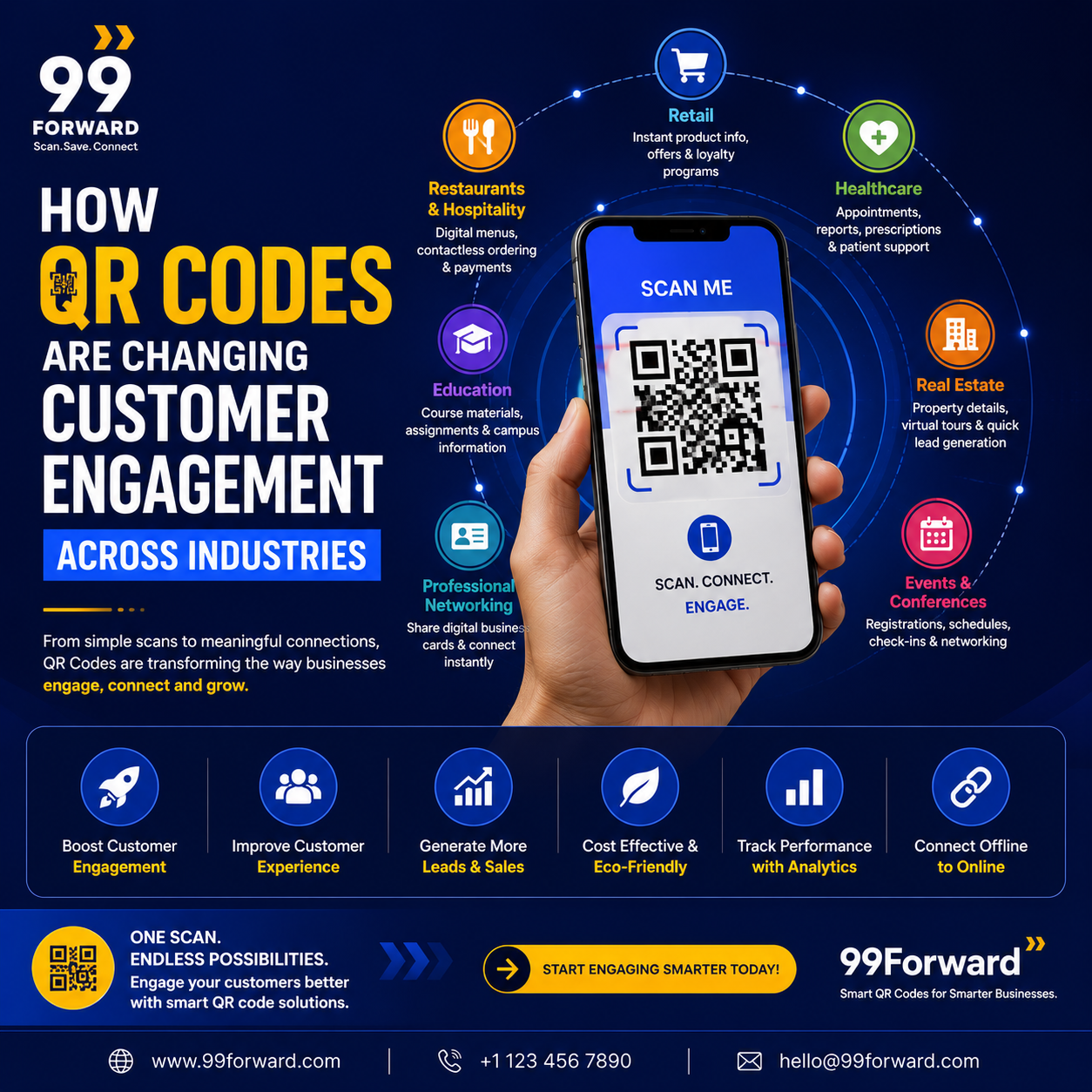 How QR Codes Are Changing Customer Engagement Across Industries | 99Forward
-
 Unlocking the ROI of Direct Mail: A Data-Driven Approach by 99Forward
-
 QR Code Payments: The Future of Seamless Transactions with 99Forward
-
 How to Measure In-Store Customer Engagement: A Complete Guide by 99Forward
-
 How QR Codes Are Revolutionizing the Event Industry – Powered by 99Forward
Trending Blogs
-
How to Measure In-Store Customer Engagement: A Complete Guide by 99Forward
-
 How to Create Custom Short URLs for Free (Step-by-Step Guide)
-
 The Future of Digital Business Cards in India: Streamlining Professional Connections
-
 Why Are Retail Stores Closing — And What the Future Holds for the Industry
-
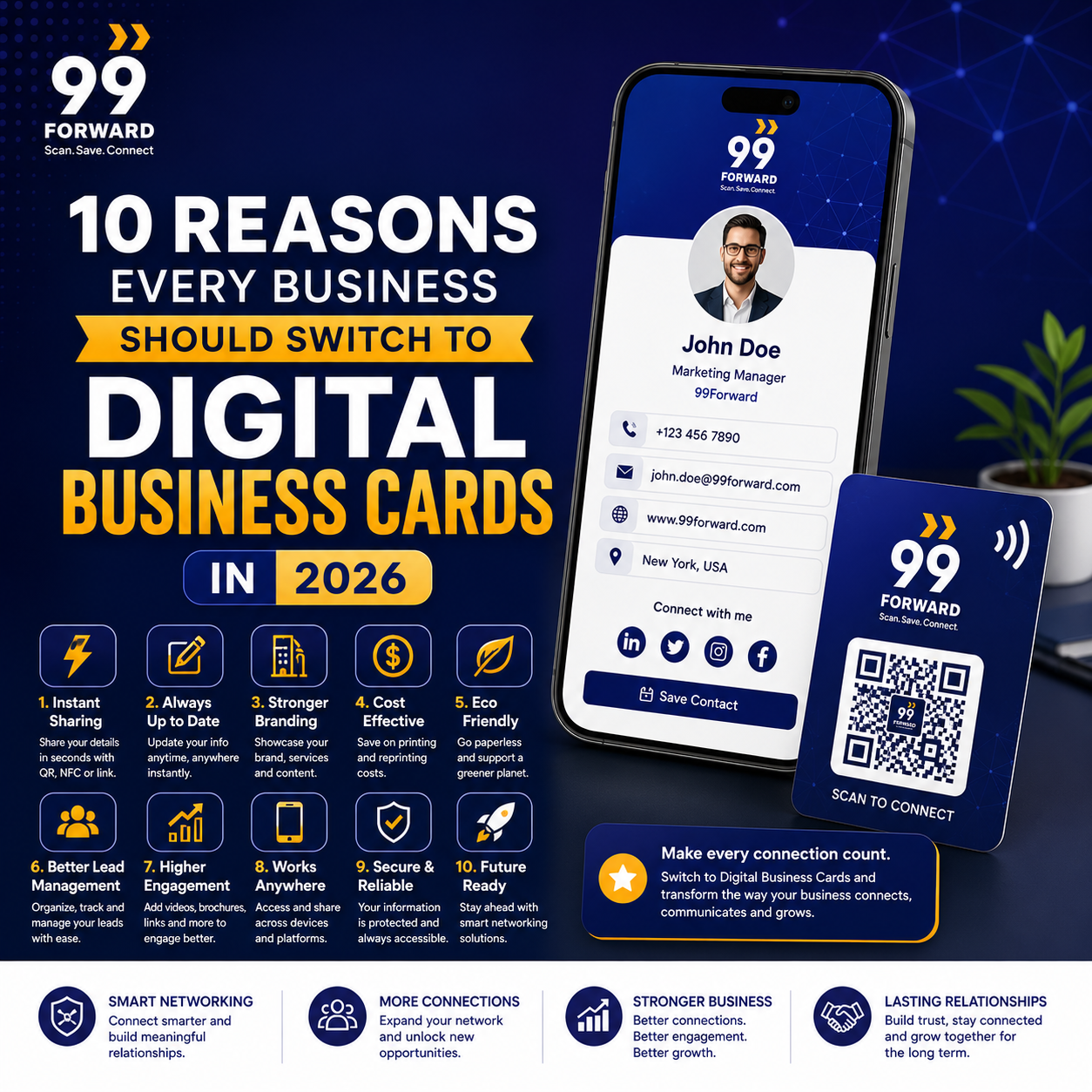 10 Reasons Every Business Should Switch to Digital Business Cards in 2026 | 99Forward